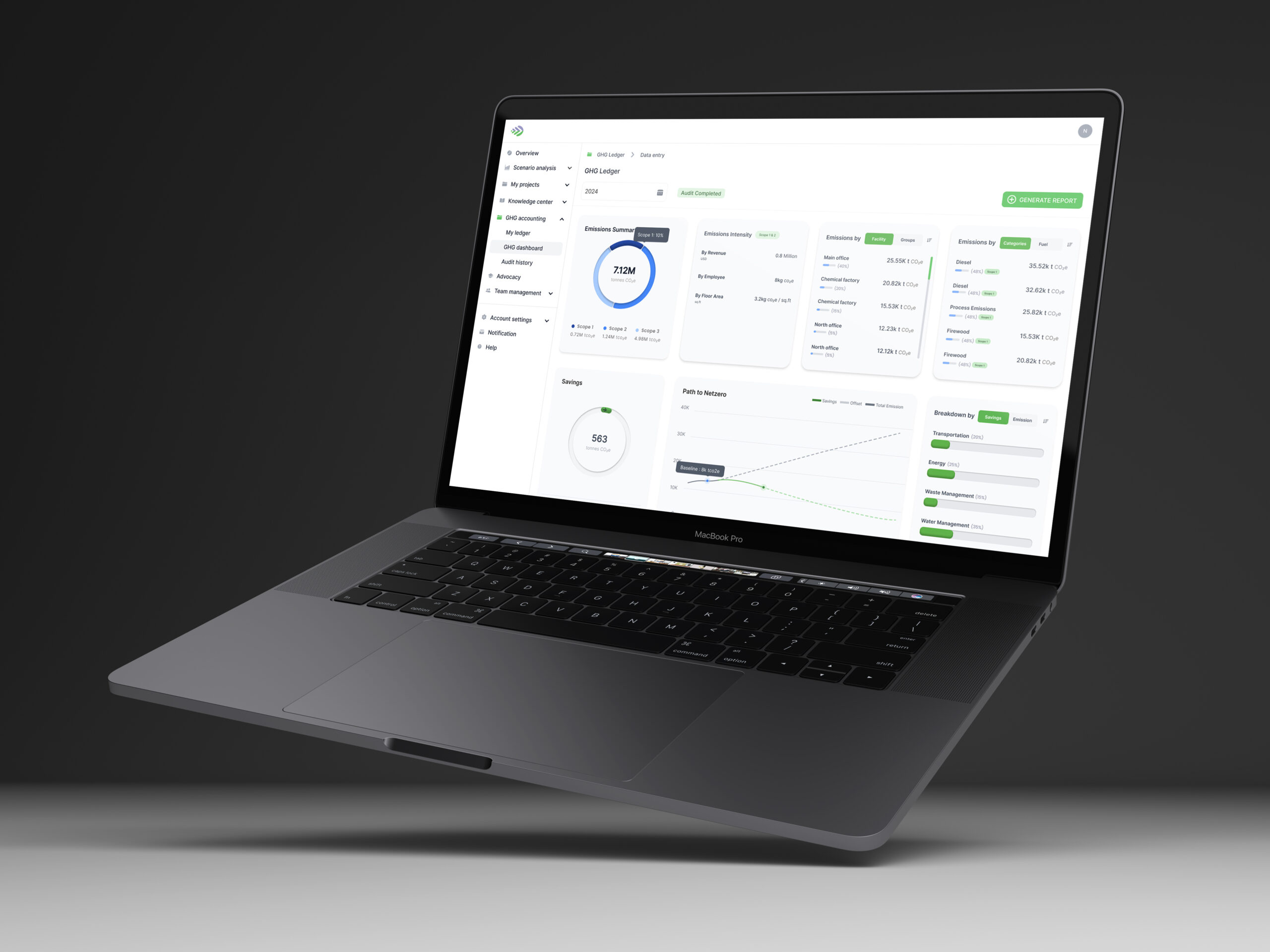
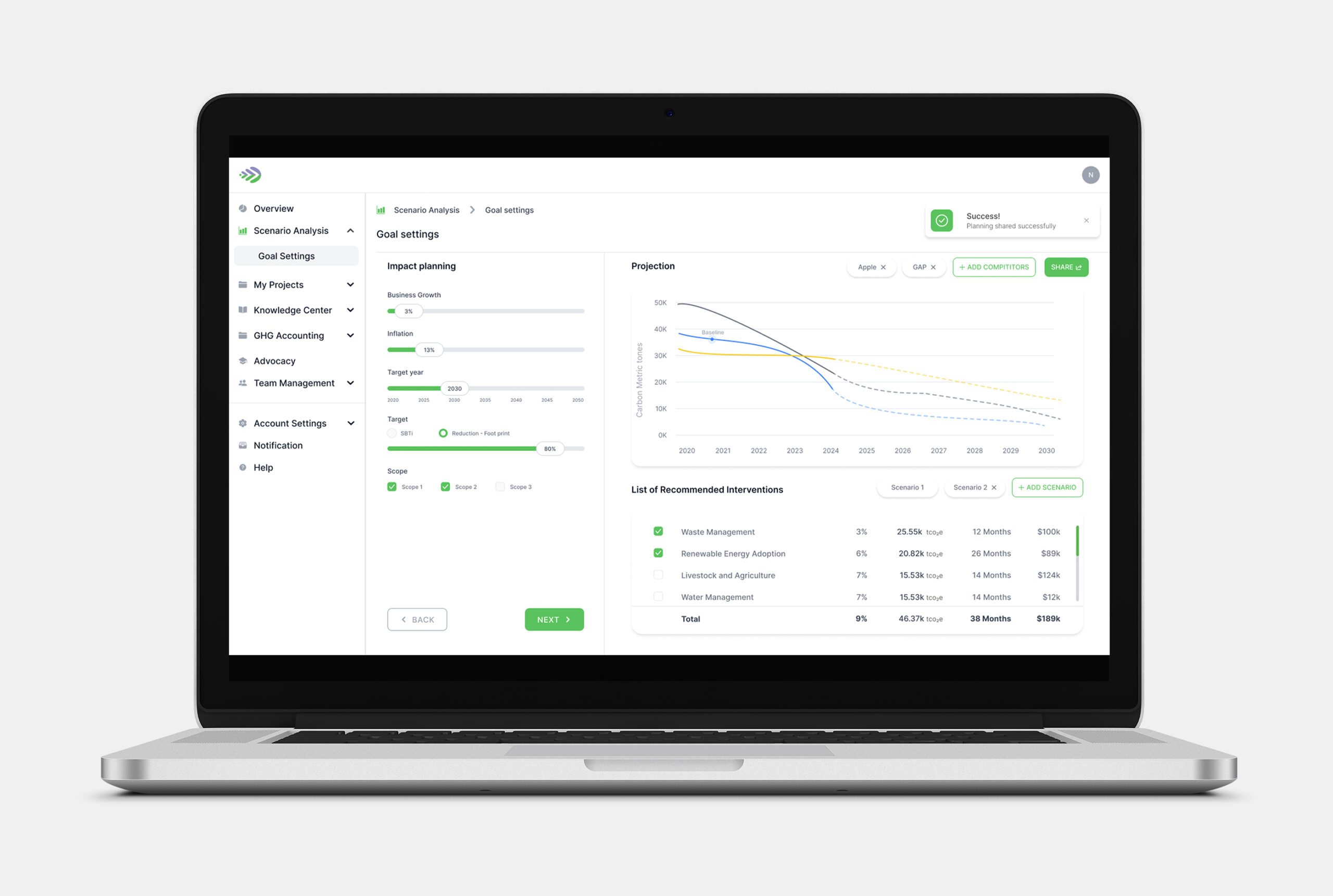
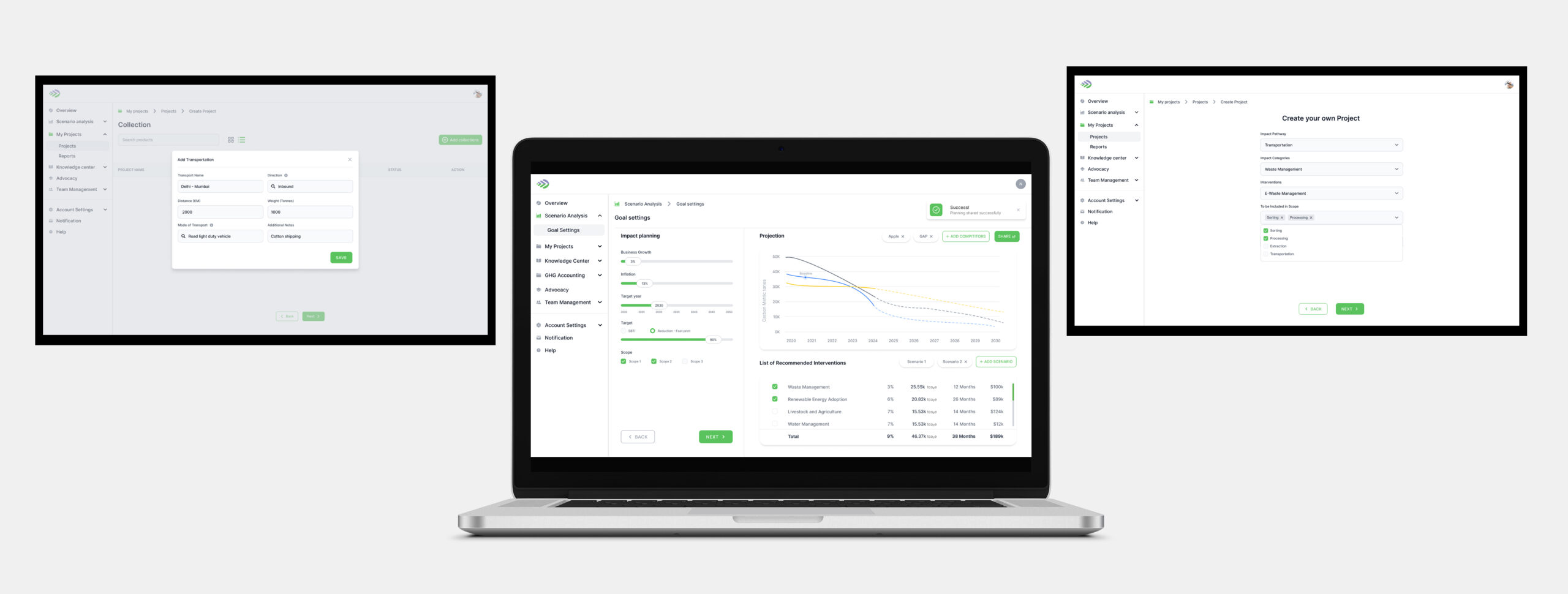
Bevolve is an AI-driven sustainability and impact platform that helps organisations measure, manage, and communicate their environmental and social performance with clarity and efficiency. It transforms complex sustainability data—such as carbon emissions and ESG metrics—into actionable strategies, branded reports, and meaningful narratives that align with global standards and stakeholder expectations. With tools for streamlined data tracking, decarbonisation planning, and automated impact reporting, Bevolve empowers businesses to turn sustainability into growth-oriented outcomes.
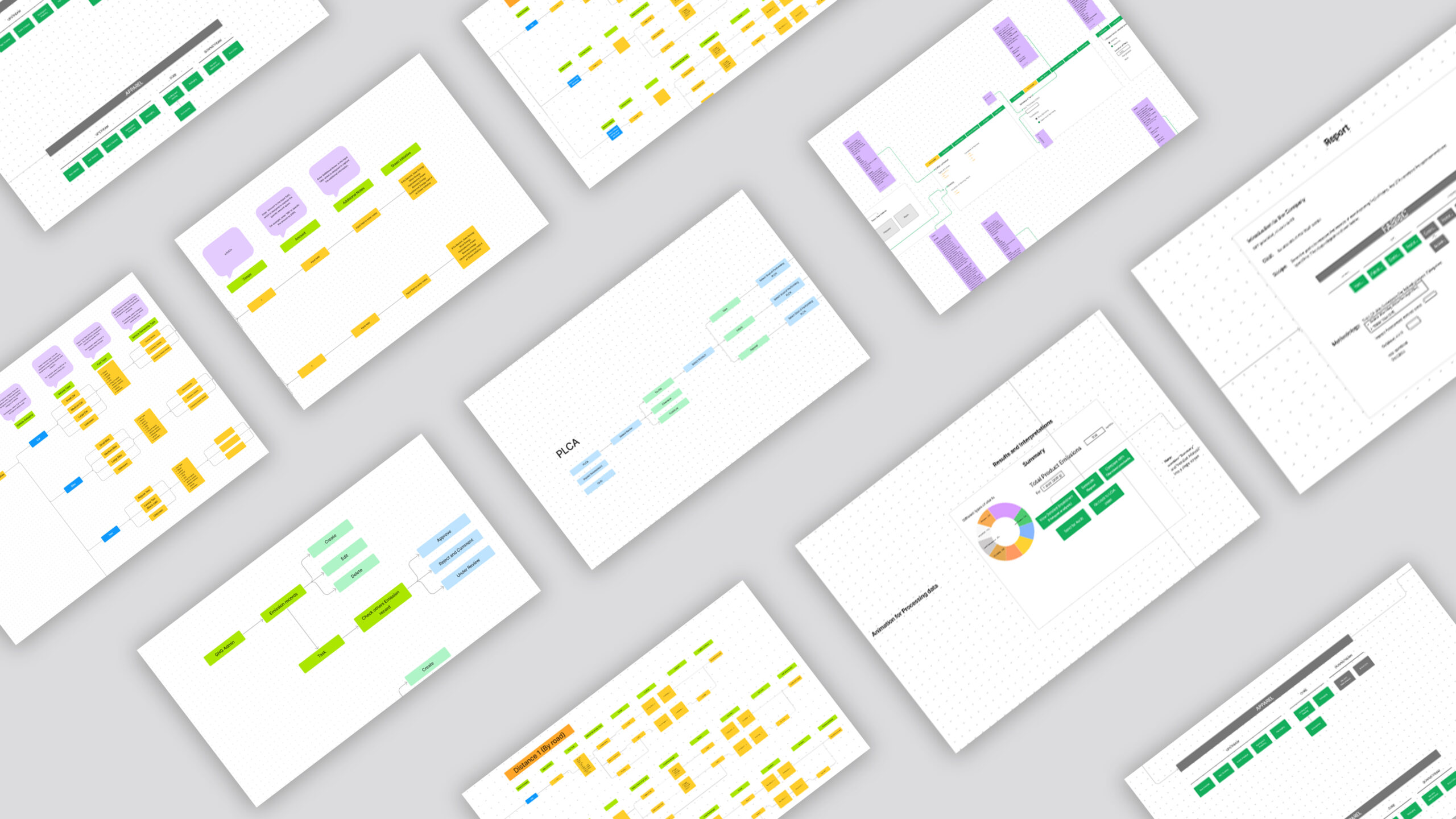
Building a software application involves several stages, starting from the initial idea and research phase, often documented in a white paper, to the visual representation of the product through wireframing, and finally creating detailed, high-fidelity designs in a tool like Figma. This process ensures that all stakeholders have a clear understanding of the product and that the final design meets the user’s needs and expectations.
White Paper
Define the Problem
Clearly know the problem the software aims to solve.
Market Research
Provide an analysis of the market, including potential users, competitors, and existing solutions.
Goals and Objectives
Outline the main goals and objectives of the software.
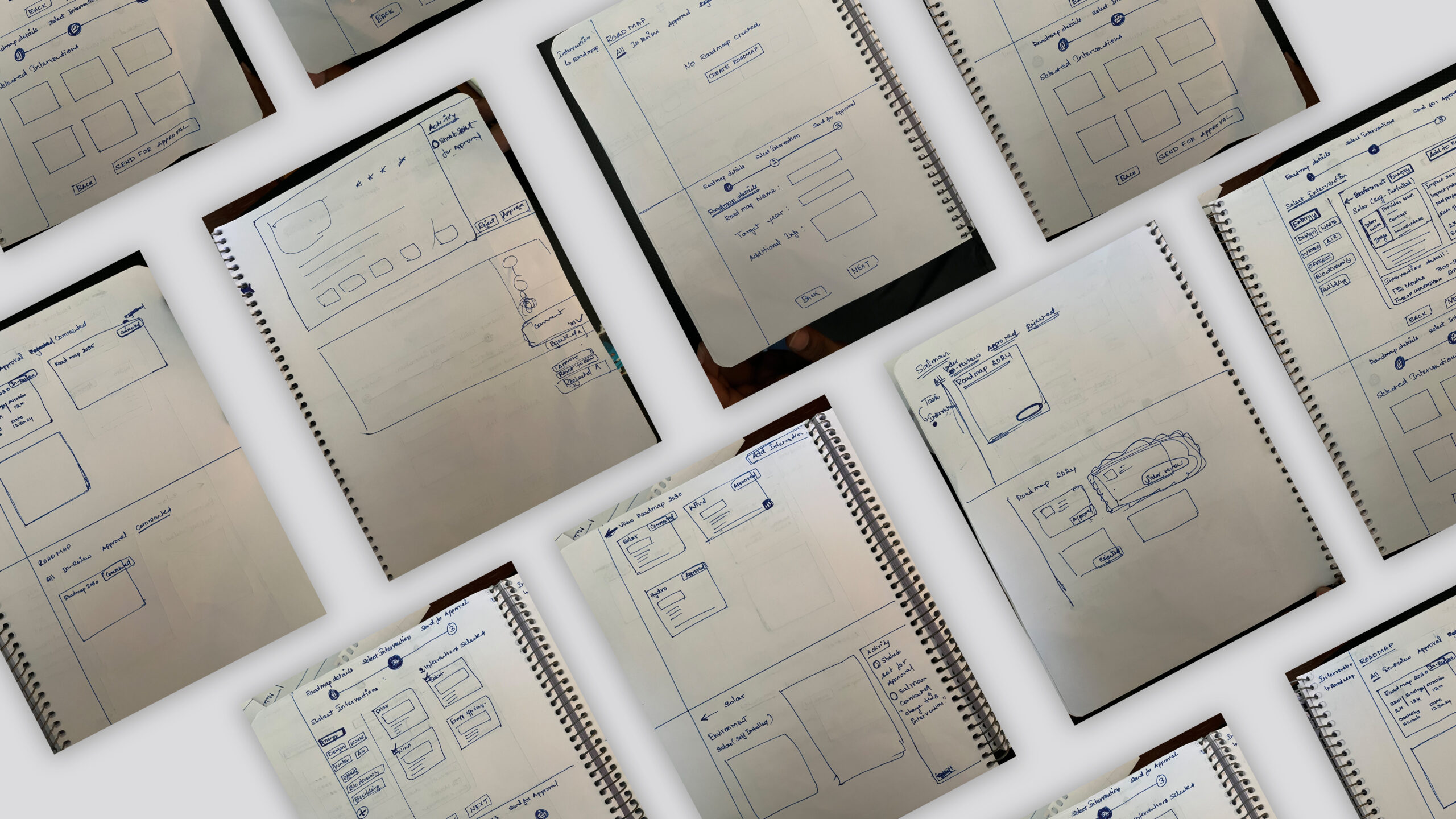
Wireframing
Layout
Define the structure and layout of each screen.
Navigation
Design the navigation to ensure ease of use and accessibility.
Content Placement
Determine where key content and features will be placed on each screen.
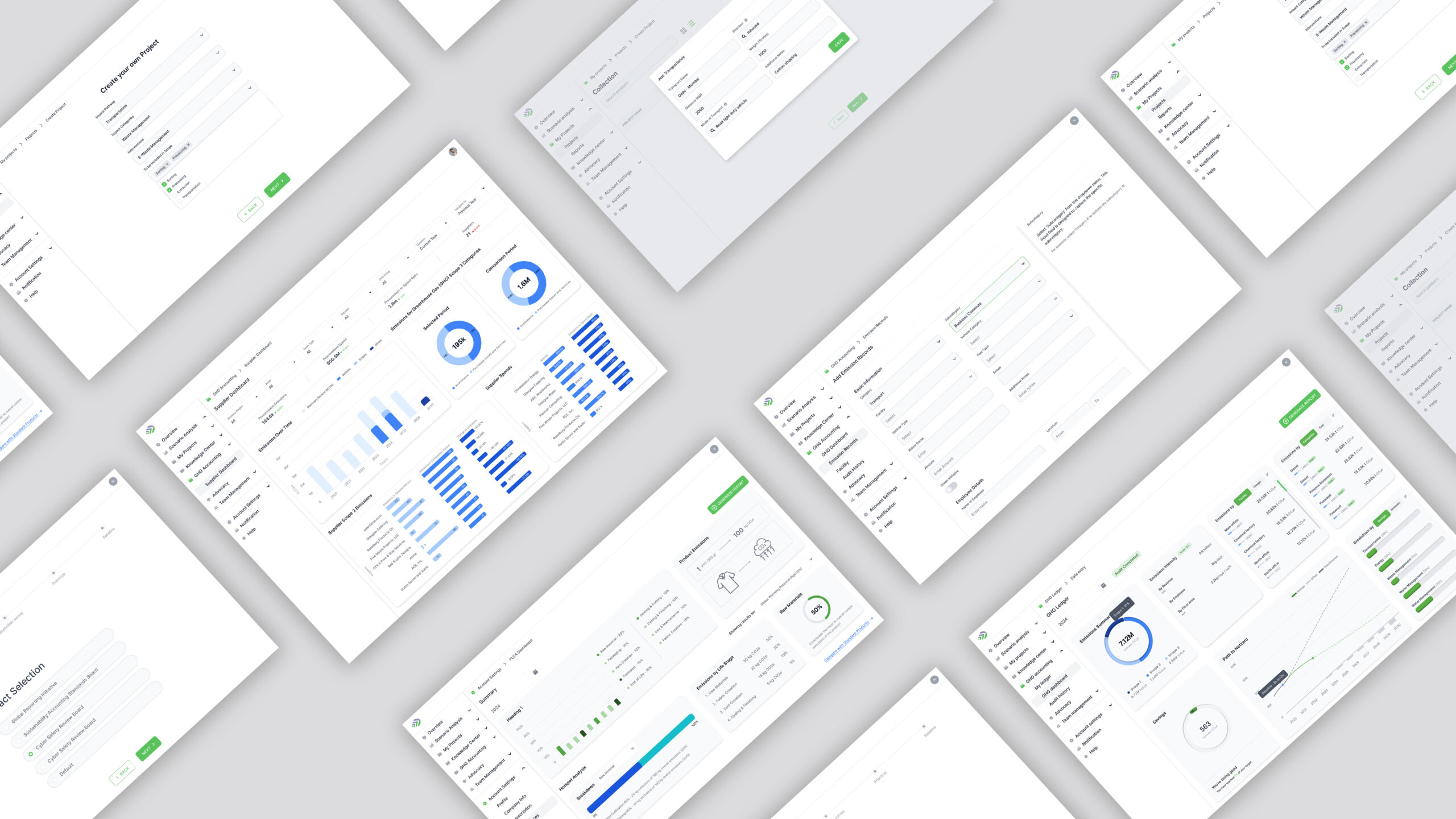
Designing in Figma
UI Elements
Design all UI elements, including buttons, forms, and navigation components.
Typography and Color
Choose appropriate typography and color schemes that align with the brand.
Imagery and Icons
Incorporate imagery and icons to enhance the visual appeal and usability.